



Giraffe (Male) 3D Model Animation
It is a unique type of animal in the order Artiodactyla, known for its long neck and high height. It can only feed on leaves as its main food, has a longer tongue, has short horns on its head, and the horns are covered with hairy skin. Currently only distributed in Africa, there are two species, while prehistoric distribution is more widespread. Evolution began with deer animals in the early Miocene and went through multiple stages of evolution. Adapted to life in the savanna, with longer necks and limbs to obtain leaves. Not only is it the tallest extant terrestrial animal, but it is also one of the representative animals in the African savanna region. Long necks and legs not only help them forage, but also serve as a "cooling tower" for them to adapt to hot environments.

Spotted Deer (Male) 3D Model Animation
Also known as Indian spotted deer, it is a medium-sized deer. Mainly distributed in South Asia and Southeast Asia, including Bangladesh, India, Nepal, Bhutan, and Sri Lanka. It is a social animal that typically forms a matrilineal group consisting of adult females and their offspring. Male spotted deer have significant antlers that shed and regrow every year. The diet is diverse, mainly feeding on grass, leaves, flowers, and fruits. They can thrive in various habitats, but prefer moist and dry deciduous forest areas. The protection level of spotted deer is Least Concern (LC), but the population has declined in some areas.

3D model animation of spotted deer (female)
Also known as Indian spotted deer, it is a medium-sized deer. Mainly distributed in South Asia and Southeast Asia, including Bangladesh, India, Nepal, Bhutan, and Sri Lanka. It is a social animal that typically forms a matrilineal group consisting of adult females and their offspring. Male spotted deer have significant antlers that shed and regrow every year. The diet is diverse, mainly feeding on grass, leaves, flowers, and fruits. They can thrive in various habitats, but prefer moist and dry deciduous forest areas. The protection level of spotted deer is Least Concern (LC), but the population has declined in some areas.

Eurasian wild boar (cub) 3D animation model
It is a mammal with a long history dating back to 40 million years ago. It was widely distributed in Eurasia and North Africa, covering a diverse ecological environment from temperate to tropical regions. Medium size, with a weight generally between 90-200 kilograms, but in some areas it can exceed 200 kilograms or even approach 400 kilograms. Having well-developed canine teeth, especially in males, their canine teeth are exposed and flipped upwards to form fangs. It is an omnivorous animal that mainly feeds on plant-based food, but also preys on small animals. Due to its damage to crops, it is considered a harmful animal in many countries, but it is also an important target for hunting.

Eurasian Wild Boar (Male) 3D Animation Model
It is a mammal with a long history dating back to 40 million years ago. It was widely distributed in Eurasia and North Africa, covering a diverse ecological environment from temperate to tropical regions. Medium size, with a weight generally between 90-200 kilograms, but in some areas it can exceed 200 kilograms or even approach 400 kilograms. Having well-developed canine teeth, especially in males, their canine teeth are exposed and flipped upwards to form fangs. It is an omnivorous animal that mainly feeds on plant-based food, but also preys on small animals. Due to its damage to crops, it is considered a harmful animal in many countries, but it is also an important target for hunting.
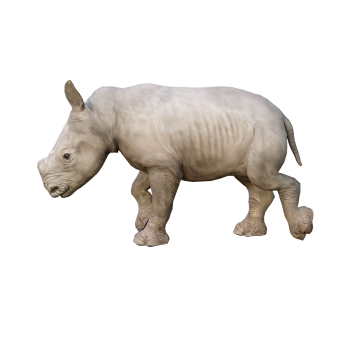
White Rhinoceros (Juvenile) 3D Model Animation
It is a large mammal mainly distributed in Africa. Named after its wide and flat lips, it is often mistakenly referred to as the 'white rhinoceros'. The weight is approximately 1000-3600 kilograms, the average length of the head and body is 3.35-3.77 meters, and the shoulder height is 1.71-2.85 meters. The skin is light gray with plate-like folds, and the teeth are high and flat. Herbivores mainly live in forests, sparse grasslands, and grassy areas near water sources. The lifespan of white rhinoceros in the wild is 46-50 years, and it can reach 30 years under captive conditions. Due to illegal poaching, the white rhinoceros has been listed as a near threatened species on the IUCN Red List of Threatened Species

Rhinoceros model with 3D animation
It is a large and powerful mammal belonging to the family Rhinoceros in the order Rhinoceros. Known for its short and robust limbs, thick skin, and unique horns. Mainly distributed in tropical regions of Africa and Asia, it is one of the largest surviving land mammals. Rhinoceros horns are composed of keratin and have high medicinal value, but this also makes them a major target for illegal hunting. Poor eyesight, but very keen sense of smell and hearing. Usually mainly herbivorous, occasionally also eating some fruits and leaves. Due to habitat loss and poaching, the number of rhinoceroses is decreasing, and many species have been listed as endangered.
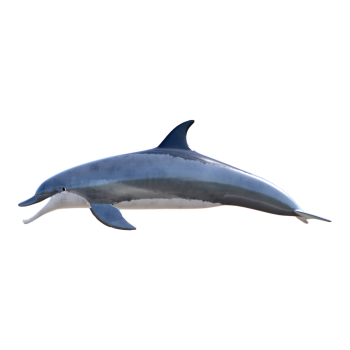
dolphin
Dolphins are mammals of the cetacean family. Due to its round and plump body resembling a pig weighing several hundred pounds, it is named "Dolphin". Dolphins are distributed in the Pacific, Atlantic, and Indian Oceans. [20] They inhabit tropical and temperate waters, are agile in their activities, have strong attachment, and prefer to live in groups with dolphins.

tiger
It is a large feline in the mammalian class, with nine subspecies and significant differences in body size and morphology between each subspecies. The Siberian tiger is the largest, with a male body length of up to 3.7 meters and a weight of 423 kilograms. The Sumatran tiger is the smallest living subspecies, with a male tiger measuring 2.34 meters in length and weighing 136 kilograms. Tigers are typical mountain forest dwelling animals that can thrive in tropical rainforests and evergreen broad-leaved forests in the south, as well as deciduous broad-leaved forests and mixed coniferous and broad-leaved forests in the north. Due to human hunting and fragmentation of wild habitats, tigers have become rare and endangered species. A 2016 survey showed that there were 3890 wild tigers worldwide.

tiger
It is a large feline in the mammalian class, with nine subspecies and significant differences in body size and morphology between each subspecies. The Siberian tiger is the largest, with a male body length of up to 3.7 meters and a weight of 423 kilograms. The Sumatran tiger is the smallest living subspecies, with a male tiger measuring 2.34 meters in length and weighing 136 kilograms. Tigers are typical mountain forest dwelling animals that can thrive in tropical rainforests and evergreen broad-leaved forests in the south, as well as deciduous broad-leaved forests and mixed coniferous and broad-leaved forests in the north. Due to human hunting and fragmentation of wild habitats, tigers have become rare and endangered species. A 2016 survey showed that there were 3890 wild tigers worldwide.

Popular Models
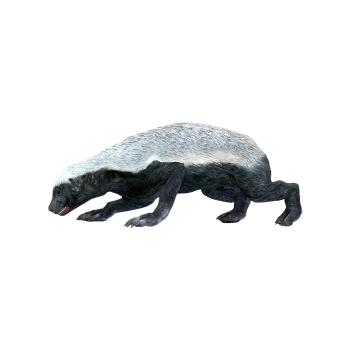
Honey Badger (3D animated model)
194 View
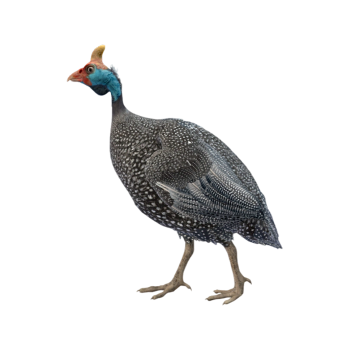
Guinea fowl (3D animated model)
165 View
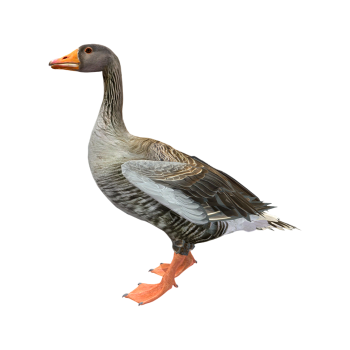
Wild Goose (3D animated model)
187 View
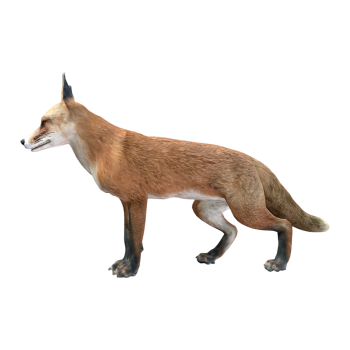
Red Fox (3D animated model)
155 View
Random Model

Restaurant Seats
645 View

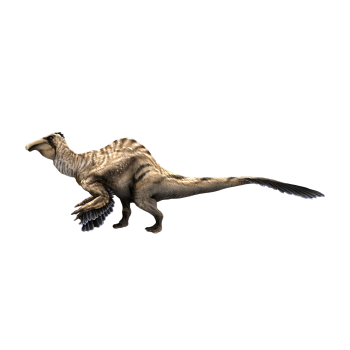
Horrified Dragon (3D animated model)
191 View

Solid Wood Storage Rack
507 View

Container Bar
662 View

Fountain of Kontarini, Upper Bégamo
531 View

Summer Cottage
527 View